

1.The Role of Food Preservation in a Changing World
As global food demand rises, preservation techniques like freeze drying (lyophilization) are becoming essential. This method extends shelf life, retains nutrients, and reduces waste—making it a key solution for modern food production, shipping, and storage.
2. Understanding Freeze Drying: Technology and Process
Freeze drying removes moisture while preserving structure, taste, and nutrients through three phases:
- Freezing (–40°F or colder) – Locks food in a solid state.
- Primary Drying (Sublimation) – A vacuum turns ice directly into vapor.
- Secondary Drying – Removes residual moisture with low heat.
Key Equipment: Industrial freeze dryers (lyophilizers) control temperature and vacuum levels for optimal results.
3. Top 5 Benefits of Freeze Drying for the Food Industry

① Superior Nutrient Retention
-
Preserves 90%+ of vitamins (C, B, A, D, E), antioxidants, and minerals.
-
Outperforms dehydration, which loses 30-50% of heat-sensitive nutrients.
② Enhanced Taste & Texture
-
Food rehydrates like fresh, maintaining color, crispness, and flavor.
-
Ideal for gourmet snacks, instant meals, and premium ingredients.
③ Extremely Long Shelf Life (5-25 Years)
-
No preservatives needed—just airtight packaging.
-
Perfect for emergency food, military rations, and export products.
④ Lightweight & Cost-Efficient Shipping
-
Removes 98% of water, drastically reducing weight.
-
Saves logistics costs for e-commerce and global distribution.
⑤ Reduces Food Waste
-
Extends the usability of perishable foods (fruits, dairy, meats).
-
Supports sustainable food systems by minimizing spoilage.
4. Nutritional Value of Freeze Dried Foods
Freeze drying is one of the best methods for keeping the original nutrients in food. Unlike traditional drying, it uses low temperatures and avoids cooking or boiling. This helps protect the natural vitamins, minerals, and antioxidants in fruits, vegetables, and even meats.
What Nutrients Are Preserved?
Freeze dried foods retain a high percentage of their original nutrients. Here’s a closer look:
-
Vitamins: Water-soluble vitamins like Vitamin C and Vitamin B-complex are often lost in heat-based drying. Freeze drying protects them better.
-
Fat-soluble vitamins like Vitamin A, D, and E also remain stable in low temperatures.
-
Minerals such as iron, potassium, and magnesium stay intact during freeze drying.
-
Fiber: Freeze dried fruits and vegetables maintain their original fiber content, making them good for digestion.
-
Antioxidants: These natural compounds fight cell damage and support immune health. Berries and other colorful fruits retain much of their antioxidant power after freeze drying.

Real Example: Strawberries
Fresh strawberries are rich in Vitamin C and antioxidants. When freeze dried, they still hold over 90% of their vitamin content. In contrast, heat-dehydrated strawberries can lose up to 50% or more of their Vitamin C.
Is There Any Nutrient Loss?
Some very small nutrient loss can happen during freeze drying, especially if the food is not handled properly before freezing. But overall, freeze drying causes less nutrient damage than dehydration, boiling, or canning.
No Additives or Preservatives
Most freeze dried products do not need added sugar, salt, or preservatives. This makes them a clean label choice, especially for people looking for natural or low-calorie foods.
Nutrient Density per Gram
Since all the water is removed, freeze dried food becomes very nutrient-dense. For example, 10g of freeze dried spinach may contain the same nutrients as 100g of fresh spinach. This makes it useful in compact food products like meal replacements and supplements.
Good for Special Diets
Because freeze dried foods are lightweight and clean, they are widely used in:
-
Vegan and vegetarian diets
-
Gluten-free products
-
Children’s snacks
-
High-protein meal kits
They are also ideal for people who have limited access to fresh produce, such as travelers, soldiers, or people in remote areas.
5. Freeze Drying vs. Dehydration: Which Is More Suitable for the Food Industry?
Both freeze drying and dehydration remove water. But they work in different ways and have different results.
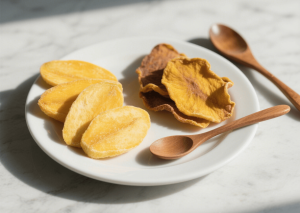
Process Differences
-
Freeze drying uses cold and vacuum.
-
Dehydration uses heat and air.
Food Quality
Freeze dried food stays crisp and colorful. Dehydrated food can shrink, turn brown, and become chewy.
Nutrition Impact
Freeze drying keeps more vitamins. Dehydration often reduces Vitamin C and B levels due to heat.
| Factor | Freeze Dried | Dehydrated |
|---|---|---|
| Process | Cold + vacuum | Heat + air |
| Nutrients | Retains most vitamins | Loses heat-sensitive ones |
| Texture | Crisp, rehydrates well | Chewy, dense |
| Shelf Life | 5-25 years | 1-5 years |
| Cost | Higher initial investment | More affordable |
Best Uses:
-
Freeze drying → Berries, probiotics, high-end snacks.
-
Dehydration → Jerky, raisins, bulk ingredients.
6. Applications of Freeze Drying in the Food Industry

Freeze drying is used in many parts of the food industry:
-
Fruits and Vegetables: Strawberries, blueberries, corn, peas
-
Meat and Dairy: Cheese, yogurt bites, jerky
-
Prepared Meals: Instant soups, noodles, breakfast kits
-
Snacks and Candy: Freeze dried marshmallows, gummy candies
-
Specialty Foods: Pet treats, baby food, astronaut food
It helps create convenient, healthy, and ready-to-eat products.
7. Freeze Drying Equipment in the Industry
Types of Freeze Dryers
- Industrial-scale → Large batches (food manufacturers).
- Pilot/Lab-scale → R&D and small-batch testing.
Key Features to Consider:
- Capacity (batch size)
- Energy efficiency
- Automation level
How to Choose a Machine
Key factors include:
-
Production volume
-
Vacuum and temperature control
-
Automation level
-
Energy use and cost
A freeze drying oven may be used for pilot batches or lab testing.
Cost Consideration
Freeze dryers are more expensive than dehydrators. But they deliver higher quality and longer shelf life, making them a smart investment for many food producers.

8. The Strategic Value of Freeze Drying for Manufacturers
Higher Market Value
Freeze dried foods are often sold as premium products. They fit into health, wellness, and clean-label markets.
- Branding Power
Labels like “no preservatives,” “natural nutrients,” and “crisp texture” are popular with consumers.
- Sustainability
Freeze drying reduces spoilage and food loss. This helps businesses lower waste and support sustainable goals.
- Growing Global Demand
More consumers want natural, easy-to-store food. Freeze drying meets this demand across the globe.
9. FAQs
Q: Does freeze drying destroy nutrients?
A: No—it retains more nutrients than canning, dehydrating, or pasteurizing.
Q: Is freeze dried food healthy?
A: Yes! It’s preservative-free and keeps most vitamins/minerals.
Q: How long does freeze dried food last?
A: 5-25 years if stored in airtight, moisture-proof packaging.
Q: Can you freeze dry at home?
A: Possible with small-scale freeze dryers, but industrial machines offer better results.
10. Conclusion
Freeze dryers play a vital role in the modern food industry. They help keep food safe, nutritious, and long-lasting. From healthy snacks to emergency meals, freeze drying delivers many benefits. With strong demand for quality and sustainability, freeze drying is not just a trend — it’s the future of food preservation.
For more information, please feel free to contact us!