

Freeze drying, or lyophilization, is a critical technique in pharmaceutical production, food processing, and laboratory research. Unlike conventional drying methods, freeze drying preserves the material’s structure, flavor, and nutritional content by removing moisture through sublimation under low temperature and vacuum pressure.
Freeze drying includes three stages—freezing, primary drying, and secondary drying. Industrial freeze dryers operate between -50°C and -80°C, consume considerable energy, and require robust packaging and storage methods. While it inhibits microbial growth, freeze drying does not sterilize products.
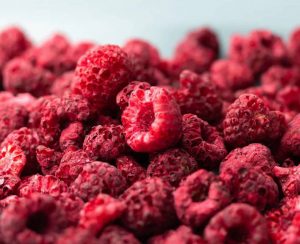
1. Understanding the Freeze Drying Process
What is Freeze Drying?
Freeze drying removes water by freezing the product and then creating a vacuum so the ice sublimates directly into vapor. This process maintains the original appearance, texture, and nutrients of the product.

The Three Stages of Freeze Drying:
-
Freezing
Product is quickly frozen below -40°C to form small, uniform ice crystals. This protects cell structure and ensures efficiency during drying. -
Primary Drying (Sublimation)
Under vacuum, controlled heat causes ice to vaporize without melting. About 95% of moisture is removed at this stage. -
Secondary Drying (Desorption)
Remaining bound water molecules are removed by slightly increasing the temperature. The final moisture content is reduced to below 1%.
2. Optimal Temperatures and Vacuum Conditions
Industrial freeze dryers typically maintain shelf temperatures between -50°C and -80°C. The condenser is kept 10°C to 15°C colder than the product to efficiently collect water vapor. Maintaining this differential ensures effective sublimation and prevents sample rehydration.
3. How Much Energy Does a Freeze Dryer Use?
Energy consumption depends on the size and technology of the unit:
-
Lab-scale units: 1.5–3 kW per hour
-
Mid-size systems: 10–20 kW per hour
-
Large-scale production: 30 kW+ per hour
Cycle durations (24–48 hours) and batch sizes affect total electricity use. Energy efficiency can be improved with insulated chambers, programmable logic controllers (PLC), and heat recovery systems.
4. Cost of Industrial and Laboratory Freeze Dryers
-
Small laboratory units: $10,000–$30,000
-
Pilot-scale equipment: $30,000–$100,000
-
Full-scale production systems: $100,000–$500,000+
Additional costs include installation, vacuum pump maintenance, energy use, and packaging equipment. For companies needing consistent output and long-term value, these costs are quickly offset by product quality and shelf-life extension.
5. Packaging and Storage Requirements
Proper post-drying handling is crucial to maintain shelf stability.
Packaging:
-
Mylar bags or aluminum foil laminate pouches
-
Vacuum-sealed containers
-
Use of oxygen absorbers and desiccants
Storage:
-
Cool, dry, and dark environments
-
Avoid humidity or temperature fluctuations
-
Label with batch number, content, and date
Freeze-dried products, when properly sealed, can last between 5 and 25 years depending on the material.
6. Does Freeze Drying Kill Bacteria?
No, freeze drying does not sterilize. It reduces water activity and slows microbial growth but does not kill all pathogens or spores. Materials that require sterility should undergo filtration or aseptic processing before freeze drying.
7. Best Applications for Industrial Freeze Drying
-
Pharmaceuticals: Injectable drugs, vaccines, antibiotics
-
Biotech Labs: Enzymes, bacterial cultures, genetic materials
-
Food Manufacturing: Fruits, meats, dairy, ready-to-eat meals
-
Cosmetic Industry: Botanical powders, active ingredient extracts

8. Common Questions Answered
How long does freeze drying take?
Depending on product and batch size, 24 to 48 hours is typical. Green beans, for instance, may require up to 30 hours.
Can you freeze dry candy and cooked food?
Yes. Candies like marshmallows puff up beautifully. Cooked foods such as pasta, soups, and rice-based meals also freeze dry well, especially if pre-frozen and low in fat.
Why pre-freeze before drying?
Pre-freezing shortens drying time and ensures uniform ice crystal formation, which is essential for quality and consistency.
What types of foods freeze dry best?
Low-fat, low-sugar items such as vegetables, fruits, cooked meats, and starches. Avoid high-oil foods like nut butters or salad dressings.
How is freeze drying different from dehydration?
Freeze drying retains up to 97% of nutrients and maintains original taste and shape, whereas dehydration often reduces quality due to higher heat exposure.
9. Is Freeze Drying Worth It for Industrial Applications?
Yes, especially for:
-
Long-term storage without preservatives
-
Maintaining bioactivity in pharmaceuticals
-
Preserving freshness in high-value food products
-
Reducing product weight and shipping costs
Despite high upfront investment, freeze drying delivers unmatched product quality, making it an essential process in many modern industries.
Conclusion and Next Steps
Freeze drying offers exceptional benefits across sectors. While it requires precise conditions, energy, and post-process handling, it delivers superior preservation, shelf life, and product integrity. With proper planning, industrial freeze drying can be an invaluable part of your production or research line.
Need a Custom Freeze Drying Solution?
Zhejiang Leadtop Pharmaceutical Machinery Co., Ltd (LTPM CHINA) provides high-efficiency industrial and laboratory freeze dryers designed for your exact needs. Whether for food, pharmaceuticals, or biotech, we offer durable, customizable systems with a five-year warranty and expert technical support.
Contact us now to learn more—special pricing and consultation available this quarter!