
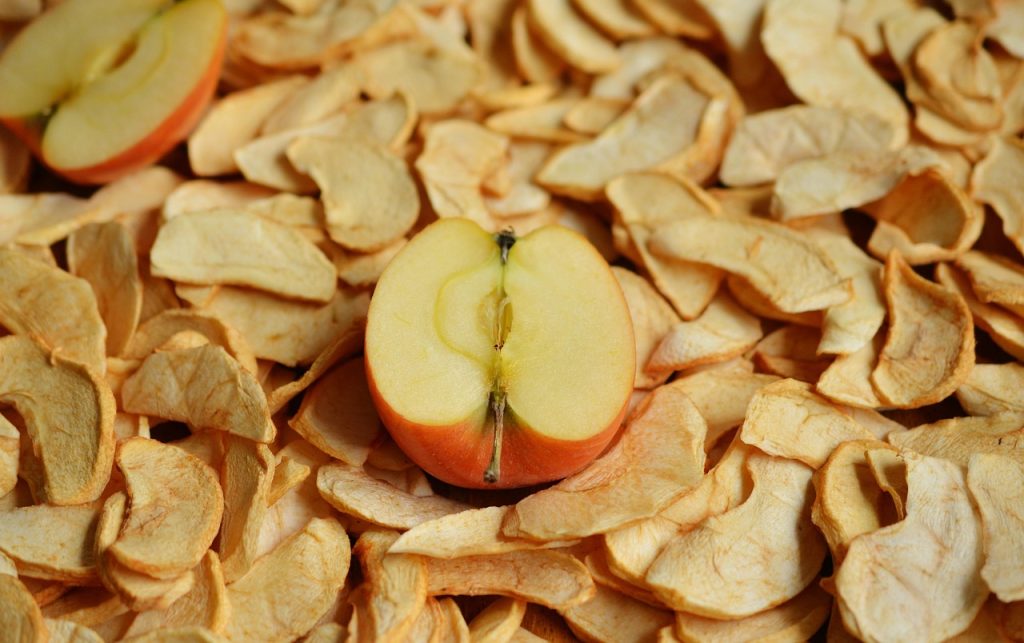
When it comes to preserving food, both dehydrators and freeze dryers have earned their place in the kitchen. But while they both aim to remove moisture from food, they do so in very different ways. This leads to different results—some better for long-term storage, others for speed and variety. If you’re trying to figure out which one to choose, here’s a breakdown of each method’s advantages, disadvantages, and ideal uses.
The Basics: How Do They Work?
A dehydrator uses heat and air circulation to draw moisture out of food. The process is relatively simple, but it also means the food can lose some of its original texture and nutrients in the process. It’s fast and can handle a wide variety of foods, but it might not preserve all the vitamins and flavors as effectively.
On the other hand, a freeze dryer works by first freezing the food, then placing it under a vacuum. The vacuum causes the frozen water in the food to turn into vapor, a process known as sublimation. This method keeps the food’s structure, flavor, and most of its nutrients intact, but it takes much longer and is more expensive.

Key Differences Between Dehydrators and Freeze Dryers

1. Nutrient Retention
Dehydrators preserve some nutrients, but heat can cause significant losses, especially with vitamins like C and B. Freeze-drying, however, is much better at keeping nutrients intact. Studies have shown that freeze-dried foods retain nearly all of their vitamins and minerals.
2. Texture and Flavor
Dehydrated food can become tough, chewy, or brittle. While it’s fine for many types of produce, it may not be what you want for fruits and vegetables that you’d prefer to rehydrate later. Freeze-dried foods, on the other hand, maintain their original texture and flavor. For instance, freeze-dried strawberries taste almost as fresh as when they were picked.
3. Shelf Life
Dehydrated foods typically last between 6 to 12 months, depending on storage conditions. The high heat can make them more prone to spoilage over time, especially if they’re not stored in airtight containers. Freeze-dried food, however, can last 25-30 years. It’s the ideal method for long-term food storage because of its ability to preserve both nutrients and flavor for decades.
4. Time and Cost
Dehydrators are faster and more affordable. They generally take anywhere from 4 to 12 hours to dry food, depending on the type and thickness. Freeze dryers, however, are much slower, often taking 12 to 24 hours or more to complete a cycle. They are also much more expensive to buy and run, but they pay off if you’re looking for top-quality food preservation.
5. Versatility
Dehydrators are versatile. They can handle a variety of foods such as fruits, vegetables, herbs, and even jerky. However, fatty foods like meat and dairy don’t fare well in dehydrators because the fat can spoil over time. Freeze dryers are better at handling a broader range of foods, but they aren’t ideal for very fatty foods either. Freeze-drying is perfect for fruits, veggies, and meals like stews and soups that you want to rehydrate later.
Which One Should You Choose?
Go for a Dehydrator if:
-
You want to preserve food quickly and affordably.
-
You need a wider variety of food to dry, especially things like herbs, mushrooms, or even beef jerky.
-
You’re okay with a shorter shelf life and don’t mind some changes in texture.
Choose a Freeze Dryer if:
-
You want the best long-term food storage solution.
-
You’re focused on preserving the food’s original texture, flavor, and nutrients.
-
You’re willing to invest more time and money for higher quality preservation.
Why People Choose Dehydrators
Dehydrators are perfect for those just getting into food preservation or people who need to store food in bulk but don’t need it to last forever. They’re also ideal for those who want a quick and easy method of preserving food for a year or two.
For example, if you’re planning a hiking trip or want to stock up on dried herbs or fruits, a dehydrator is your go-to machine. It’s straightforward, doesn’t take up much space, and delivers solid results without breaking the bank.
Why Freeze Drying Might Be Your Best Bet
Freeze-drying, while slower and more expensive, is the method to choose if you’re serious about long-term food storage. It’s the best choice if you need to store food for decades without compromising on flavor, texture, or nutrients. Imagine you’re stocking up on food for an emergency or preparing meals that need to last through years of storage. Freeze-drying ensures your food remains as nutritious and flavorful as when you first froze it.
Freeze-drying also retains the original look of your food better than dehydrating. Fruits and veggies retain their shape, making them easier to rehydrate and cook later.
Related Questions
1. What foods are best for dehydration?
Fruits, vegetables, herbs, and lean meats are great for dehydration. Avoid fatty meats, as they don’t store well long-term.
2. Can freeze-dried food be eaten directly?
Yes, freeze-dried food can often be eaten straight from the package, though it’s typically rehydrated for cooking.
3. How long does dehydrated food last?
Typically 6 to 12 months. If stored in airtight containers in a cool, dry place, it can last longer but with diminished quality.
4. Does freeze-dried food taste the same as fresh food?
It comes very close. While there may be slight differences, freeze-dried food retains more of its flavor and texture than dehydrated food.
5. How do I store freeze-dried food?
Freeze-dried foods should be stored in airtight containers in a cool, dark place. Vacuum-sealing is often recommended to extend shelf life.
Conclusion
When it comes down to it, the right choice between a dehydrator and a freeze dryer depends on your goals. If you’re looking for a budget-friendly and fast option for short-term storage, a dehydrator is the way to go. If you’re in need of long-term storage where flavor, texture, and nutrients are essential, investing in a freeze dryer will be worth it. Either way, both tools will help you extend the life of your food in a way that’s healthier and more sustainable than traditional methods.
Ready to preserve your food for the future? Whether you’re looking for a fast, affordable option or a premium solution for long-term storage, we’ve got the perfect machine for you. Contact us today for more information and special offers on our equipment!