

Why the Right Vacuum Pump Matters in Freeze Drying
Freeze drying, or lyophilization, is a powerful preservation technique used in pharmaceuticals, biotechnology, and even home food storage. One of its most important components is the vacuum pump. Without a reliable vacuum, the entire process fails—ice can’t sublimate, drying slows down, and product quality suffers.
This article will help you understand what a lyophilizer vacuum pump is, how to choose the right one, troubleshoot common issues, and maintain it properly. Whether you’re operating a home freeze dryer or an industrial lab system, this guide is for you.
1. Understanding Vacuum Pumps in Freeze Drying
A lyophilizer vacuum pump is responsible for reducing the pressure inside the freeze-drying chamber, enabling the frozen product to skip the liquid phase and move directly from solid to gas. This process is called sublimation.
Types of Vacuum Pumps Used in Freeze Drying:
-
Oil-Sealed Rotary Vane Pumps: Most common in both lab and home freeze dryers. Powerful and affordable, but require regular oil changes.

source: labconco
-
Dry Scroll Pumps: Oil-free, cleaner, but more expensive. Ideal for labs needing high purity.

source: labconco
-
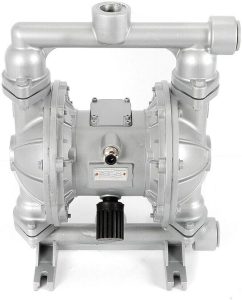
Diaphragm Pumps: Used in low-capacity or solvent-heavy applications. Chemical resistant but low CFM (cubic feet per minute).
📖 Scientific Reference: According to International Journal of Pharmaceutics, sublimation rates increase significantly as pressure drops below 0.1 mbar, making vacuum pump performance essential in freeze drying. (PubMed Source)
2. How to Choose the Right Vacuum Pump for Freeze Drying
Not all vacuum pumps are created equal. Here are the key factors to consider:
1. Flow Rate (CFM)
-
A higher CFM pulls vacuum faster, ideal for larger chambers.
-
Example: A home freeze dryer may need ~7–8 CFM; an industrial system may require 20+ CFM.
2. Ultimate Vacuum (Final Pressure)
-
Good freeze drying requires pressures as low as 0.05 mbar.
-
Check pump specs for “ultimate vacuum” or “end pressure.”
3. Oil vs. Oil-Free
| Type | Pros | Cons |
|---|---|---|
| Oil-Sealed | Affordable, high power | Needs regular oil change, messy |
| Oil-Free (Scroll) | Clean, maintenance-light | More expensive |
4. Chemical Compatibility
-
If drying solvents (e.g., ethanol), choose a pump with chemical-resistant seals.
5. Noise & Efficiency
-
Scroll pumps are quieter.
-
Consider energy use for long drying cycles.
🔧 Pump Selection Chart by Dryer Type
| Dryer Type | Suggested Pump Type | Required CFM | Oil-Free Option? |
|---|---|---|---|
| Home Freeze Dryer | Rotary vane | 7–9 CFM | Optional |
| Lab Freeze Dryer | Scroll / hybrid | 10–20 CFM | Recommended |
| Industrial Unit | Scroll or multi-stage | 20+ CFM | Yes |
3. Troubleshooting a Lyophilizer Vacuum Pump
Even the best pumps can run into issues. Here’s how to identify and solve them.
Problem: Pump Won’t Reach Full Vacuum
Possible causes:
-
Leaky hose or chamber seal
-
Old or contaminated oil
-
Worn vanes or seals
Fix:
-
Use a vacuum gauge to isolate the leak.
-
Change oil and inspect gaskets.
Problem: Pump is Loud or Overheating
Possible causes:
-
Inlet blockage
-
Poor ventilation
-
Continuous operation beyond duty cycle
Fix:
-
Ensure proper airflow around the motor.
-
Check for clogs at the intake port.
Problem: Oil Looks Milky or Foamy
Possible causes:
-
Water vapor condensing into the oil
-
Backflow contamination from the chamber
Fix:
-
Use a cold trap to capture moisture.
-
Change oil frequently.
Troubleshooting Checklist
| Symptom | Possible Cause | Solution |
|---|---|---|
| Can’t reach vacuum | Oil dirty / leak present | Change oil / check all seals |
| Loud noises | Inlet blocked / fan issue | Clear obstructions, inspect fan |
| Overheating | Poor airflow | Ventilate and reduce workload |
| Milky oil | Water vapor contamination | Use cold trap / frequent changes |
4. Maintenance Tips to Extend Pump Life
Routine care keeps your pump efficient and prevents costly failures:
-
🔁 Change oil every 20–30 hours of use
-
🔍 Check for leaks weekly using a vacuum gauge or spray test
-
🧹 Clean inlet filters to avoid flow restriction
-
🧰 Inspect seals and gaskets quarterly
-
📆 Keep a maintenance log for industrial settings
A clean, dry, and well-oiled pump is a reliable pump.
5. Frequently Asked Questions
What vacuum level is needed for freeze drying?
Typically, 0.1 to 0.01 mbar (or 100 to 10 microns). Lower pressure speeds up sublimation and improves product quality.
Can I use any vacuum pump for lyophilization?
No. It must have the correct vacuum depth, flow rate, and compatibility with potential solvents.
Is an oil-free vacuum pump better?
Not always. They are cleaner and require less maintenance, but they’re more expensive and may not offer the same power as rotary vane models.
Why does my vacuum pump smell?
Usually from oil degradation or solvent contamination. Change oil and ensure the system is dry before starting.
How often should I change the vacuum pump oil?
Every 20–30 hours of operation for most home use. Labs may change oil more frequently based on load and contamination risk.
6. Scientific and Industry References
-
International Journal of Pharmaceutics – Effect of pressure on sublimation rates
-
American Lyophilization Association – Vacuum system configurations
-
ASHRAE Handbook – HVAC Systems and Equipment – Vacuum pump selection for lab systems
Conclusion: Choose Performance, Not Just Price
A freeze dryer is only as good as its vacuum pump. Investing in the right model—one that meets your needs for power, cleanliness, and longevity—is essential to successful freeze drying. Regular care and smart troubleshooting will keep your system running smoothly for years.